 Wrist
Lug width, strap width and a scratch-free strap swap

Changing a watch strap takes two numbers and one habit. The first number is lug width, the gap between the lugs where the strap attaches, which the maker usually prints. The second is the strap's own width at the buckle end, which strap makers often do not print. The habit is protecting the case, because the tool that frees a spring bar is also the thing most likely to mark the lugs. This note collects what strap makers Barton and WatchGecko, Hirsch's U.S. retailer, Apple and Seiko publish on each point, read on October 17, 2026. We have not changed a strap for this article; every step below is the makers' or retailers' instruction, attributed.
Find the lug width on the spec sheet before you measure anything
Lug width is the inside distance between the two lugs, measured where the spring bar meets the case. Barton's FAQ describes it in those words, and its sizing guide says to measure between the two points where the band attaches, with a metric ruler or its printable chart.
Measuring is the fallback. Most makers print the figure, and a printed figure beats a ruler held against a curved case. Of the five watches we review, three publish it:
- Timex Marlin Automatic: Band / Lug Width 20 mm, per Timex's spec table
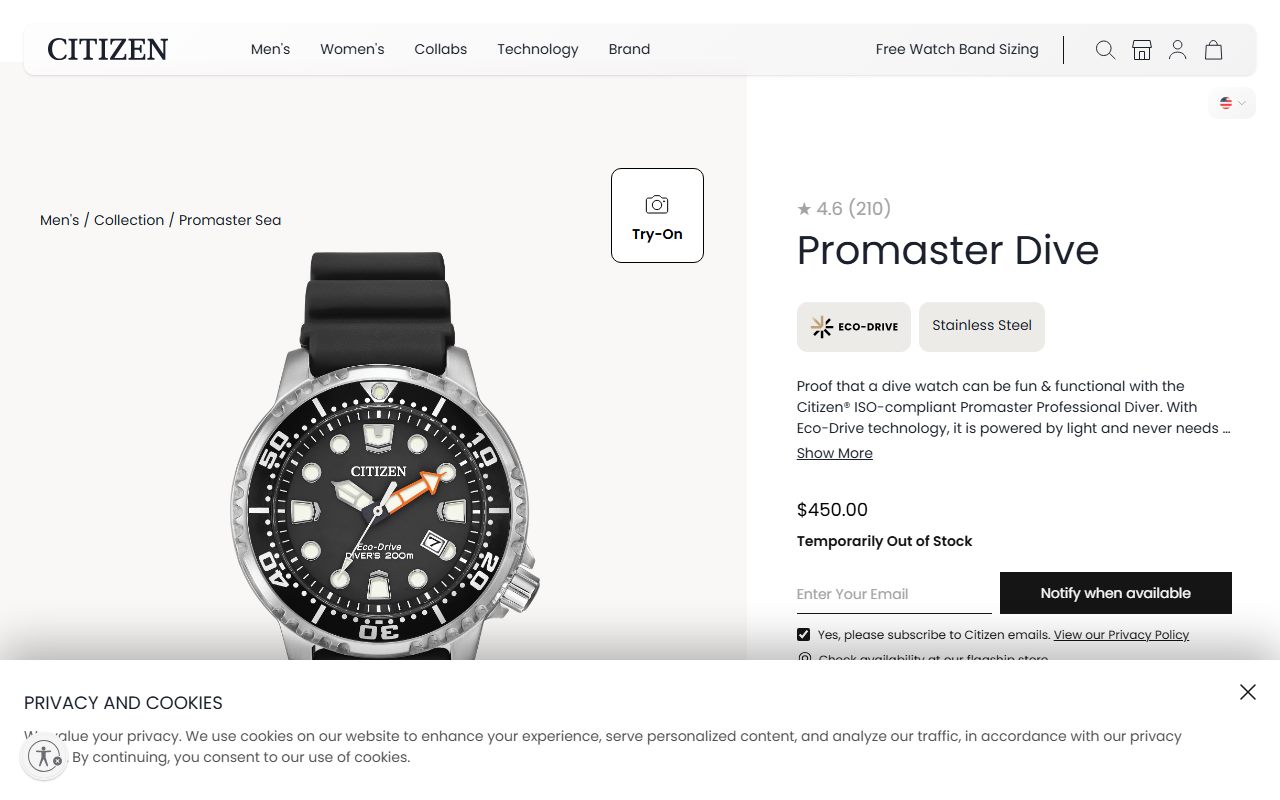
- Citizen Promaster Diver BN0150: Lug Width 20 mm, per Citizen's U.S. page
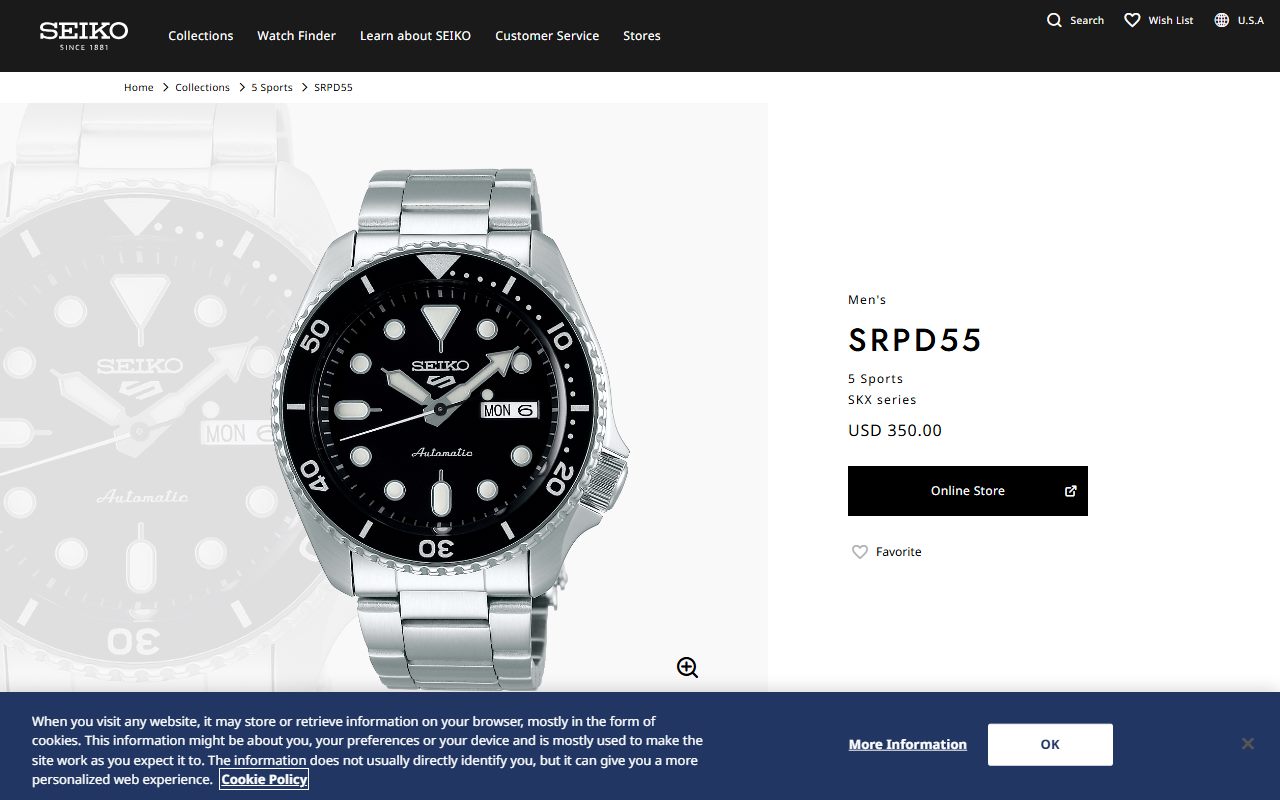
- Seiko 5 Sports SRPD55: distance between lugs 22 mm, per Seiko
- Casio G-Shock GA2100: no lug width, because the resin band is integrated into the case
- Apple Watch Series 12: no lug width, because Apple uses a proprietary slide-in connector
Barton's sizing guide lists two more places to look: the underside of the current strap, where many makers stamp the width, and the watch model's specifications online. Our note on how to read a watch spec sheet shows where each maker puts the row.
Match lug width exactly; strap width at the buckle is a separate number
A strap must match lug width exactly at the lug end. Barton's FAQ says quick release bands must match the lug width exactly or the spring bars will not seat correctly. A 21 mm strap on a 22 mm lug leaves gaps; a 23 mm strap will not go in.
Fabric is the one stated exception. Barton's FAQ says that for its NATO-style straps, a buyer between two sizes should choose the larger one because the fabric compresses, and the sizing guide adds that sizing up 1 mm generally works fine. That advice is for nylon, not leather.
The other end of the strap is a different measurement. Many straps taper from the lug to the buckle. Barton's Elite Silicone band, for example, is listed with a 2 mm taper, so a 22 mm strap narrows to about 20 mm at the buckle, our arithmetic from the stated figure.
Barton's leather quick release band does not publish its taper or buckle width, as noted in our Barton leather strap review. WatchGecko's guide says that if you refit the original buckle, the buckle-end width must match the original strap. Check both numbers before reusing a buckle.
Odd widths are where most buyers get stuck. Barton's sizing guide lists 19, 21 and 23 mm, but only in its Elite Silicone, Leather and Alligator Grain lines; the NATO-style straps come in 18 to 24 mm even sizes only.
Protect the case before the tool touches it
Scratches happen at the lugs, and the guides agree on three precautions. WatchGecko's states the risk plainly: even careful strap changes can leave small scratches around the lugs, and the aim is only to minimise them.
- Work on a soft surface. WatchGecko suggests a rubber or foam mat; the Hirsch steps on Strapped For Time say to place the watch face down on a soft cloth to protect the case and crystal; Barton's band-adjusting guide says to use a mat to prevent scratches
- Tape the lugs. WatchGecko recommends taping the lugs for extra scratch protection
- Push the spring bar toward the back of the watch. WatchGecko's tip is that any light scratch then sits where it is not seen when the watch is worn
Two smaller habits come from the same pages. Clear the work surface and guard its edges so a spring bar does not roll off, per Barton. Use light pressure and stop and reposition rather than force anything, per the Hirsch steps.
Seiko's 4R-caliber manual adds a point for new watches: peel off any protective film before wearing, because dirt, sweat and moisture trapped under it can cause rust. The film is for the shop, not the wrist.
Remove a conventional strap in four moves
For a strap held by plain spring bars, the retailer guides give the same sequence. A spring bar tool is the only essential tool, per WatchGecko; Barton lists one at $14.99 and says it is helpful for beginners but not always necessary.
- Lay the watch face down on the soft surface, as above
- Slot the forked end of the tool between the strap and the inside of the lug
- Press the bar inward, toward the centre of the case, with light pressure until that end leaves the lug hole
- Lift the strap away and repeat on the other side; keep the spring bars if they will be reused
Watches with drilled lugs, a small through-hole on the outside of each lug, are easier. WatchGecko's guide says to insert the tool's pin end into the hole and push to release the bar. Leather strap edges mark easily, the same guide warns, so take care where the tool rests.
Fit the new strap and test every bar
Fitting reverses removal, with one extra check. The Hirsch steps on Strapped For Time say to seat one end of the spring bar in its lug hole, compress the other side and guide it into place, then give the strap a light tug to confirm it is seated.
Quick-release straps skip the tool. Their spring bars carry a small lever on the underside of the strap; the Hirsch steps say to slide it with a fingertip to remove or install. WatchGecko says to guide the bar in until it clicks.
Leather is the harder material to fit. Barton's FAQ says its leather quick release bands are harder to swap than silicone or canvas because the leather does not stretch as easily, and it points buyers to a video.
Orientation matters on two-piece straps. WatchGecko says the buckle half usually goes at 12 o'clock and the tail half at 6 o'clock, with some Seiko and Grand Seiko straps as exceptions. Check the original before removing it.
Then tug both ends. A bar that slides is only half seated, and a half-seated bar can let the strap work loose.
Smartwatches and integrated bands use their own systems
Apple's watchOS user guide gives a two-step method: hold down the band release button on the watch, slide the band across to remove it, then slide the new band in. It adds one caution: never force a band into the slot.
That connector is why Barton sells a separate Apple Watch collection, and why its FAQ says Apple Watch adapters work with any 22 mm Barton band. Barton's FAQ also warns that NATO-style straps can sit between the skin and heart-rate or blood-oxygen sensors, and steers smartwatch owners to quick release straps.
Integrated bands, such as the resin band on the G-Shock GA2100, are model-specific and are not a standard-width job. Casio does not publish a lug width for it, as our review notes. The strap advice in this note does not apply.
Bottom line
Read the lug width on the spec sheet, order that exact width, and check the buckle-end width if you plan to reuse a buckle. Work face down on a soft surface with the lugs taped, push each bar toward the back of the case, and tug every bar after fitting.
If your watch lists a standard 20 or 22 mm lug, a quick-release strap removes the tool from the job entirely. The everyday watches under $500 guide lists the lug width of every watch on its shortlist, so the right strap width is one click away.
Sources
- Barton FAQ (lug width, quick release fit, NATO sizing, smartwatch notes) - checked October 17, 2026
- Barton sizing guide (measuring lug width, widths offered) - checked October 17, 2026
- Barton hardware collection (spring bar tool, spring bars) - checked October 17, 2026
- Barton, How to Adjust Your Watch Band at Home - checked October 17, 2026
- WatchGecko, How To Change A Watch Strap - checked October 17, 2026
- Strapped For Time (authorized Hirsch retailer), Hirsch quick release system - checked October 17, 2026
- Apple Watch User Guide, Remove and change Apple Watch bands - checked October 17, 2026
- Seiko 4R35/4R36 instruction manual - checked October 17, 2026